

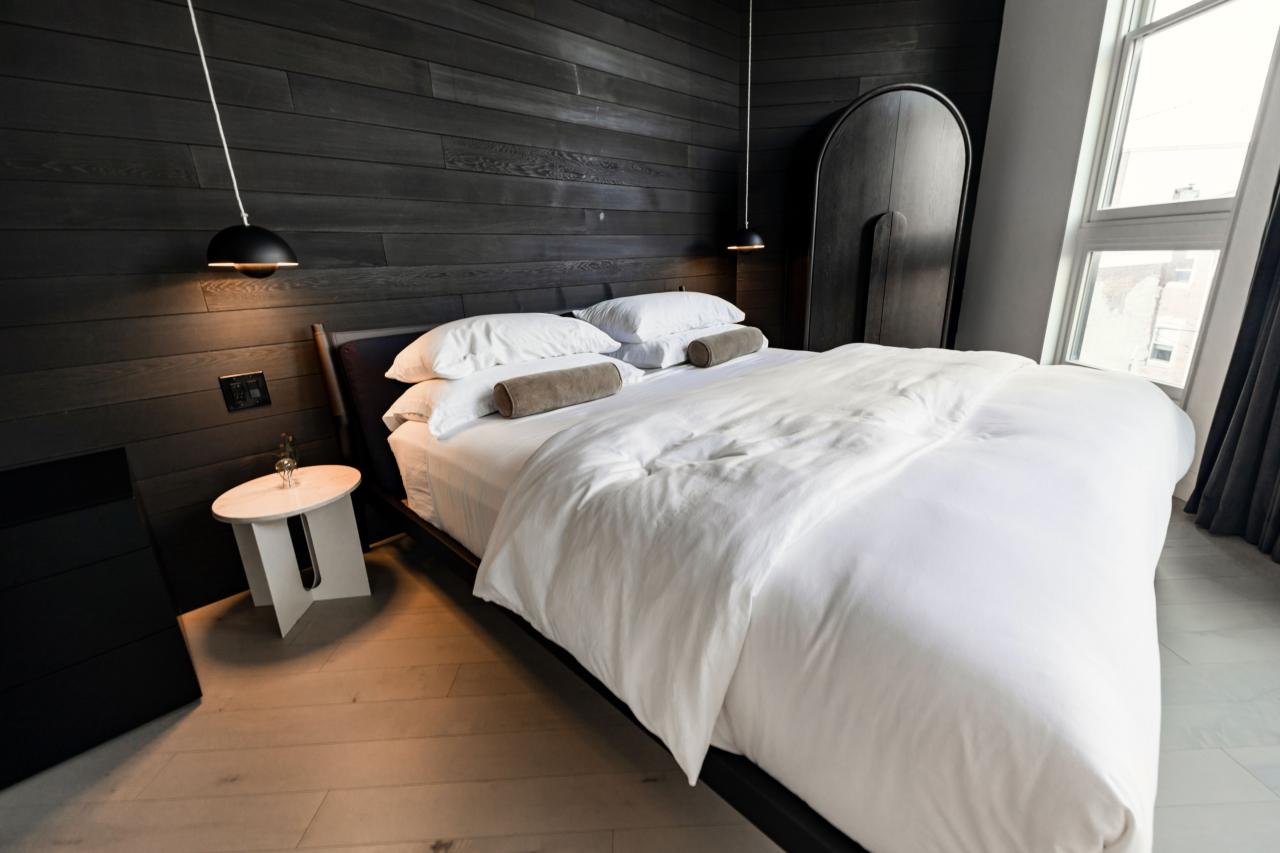
The commercial real estate market and the global premium hospitality industry are experiencing a major structural shift as institutional investors, private equity funds, and multi-family offices aggressively allocate capital into low carbon footprint luxury stays. Securing a transactional entry into this niche market has emerged as an elite investment strategy because it combines the acquisition of high-value land assets with the high-yielding revenue models of sustainable premium hospitality.
Modern affluent consumers, corporate executives, and high-net-worth travelers demonstrate a clear preference for properties that offer deep environmental accountability, unique spatial design, and architectural authenticity over standardized, carbon-heavy luxury skyscraper hotels. International property development syndicates are targeting pristine natural corridors, private islands, and exclusive urban sectors to construct self-sustaining architectural masterpieces that cater to this elite, environmentally conscious clientele.
This institutional transformation process requires a highly advanced understanding of passive thermal engineering, localized circular resource conservation, and the complex zoning regulations governing low-impact structural development. The transactional financial frameworks behind these deep-value eco-constructions involve multi-layered green bond configurations, carbon credit offsets, and sophisticated private credit allocations that dramatically enhance equity yields.
By integrating modern biophilic design principles, independent sustainable utility networks, and state-of-the-art predictive hospitality software, these low-carbon luxury stays deliver an unparalleled fusion of ecological responsibility and flawless modern operational efficiency. Navigating this complex, highly competitive real estate landscape demands a precise comprehension of sustainable materials procurement, custom architectural millwork installations, and the advanced health and longevity modalities that premium travelers expect.
A. Capital Allocation And Carbon Equity Mechanics
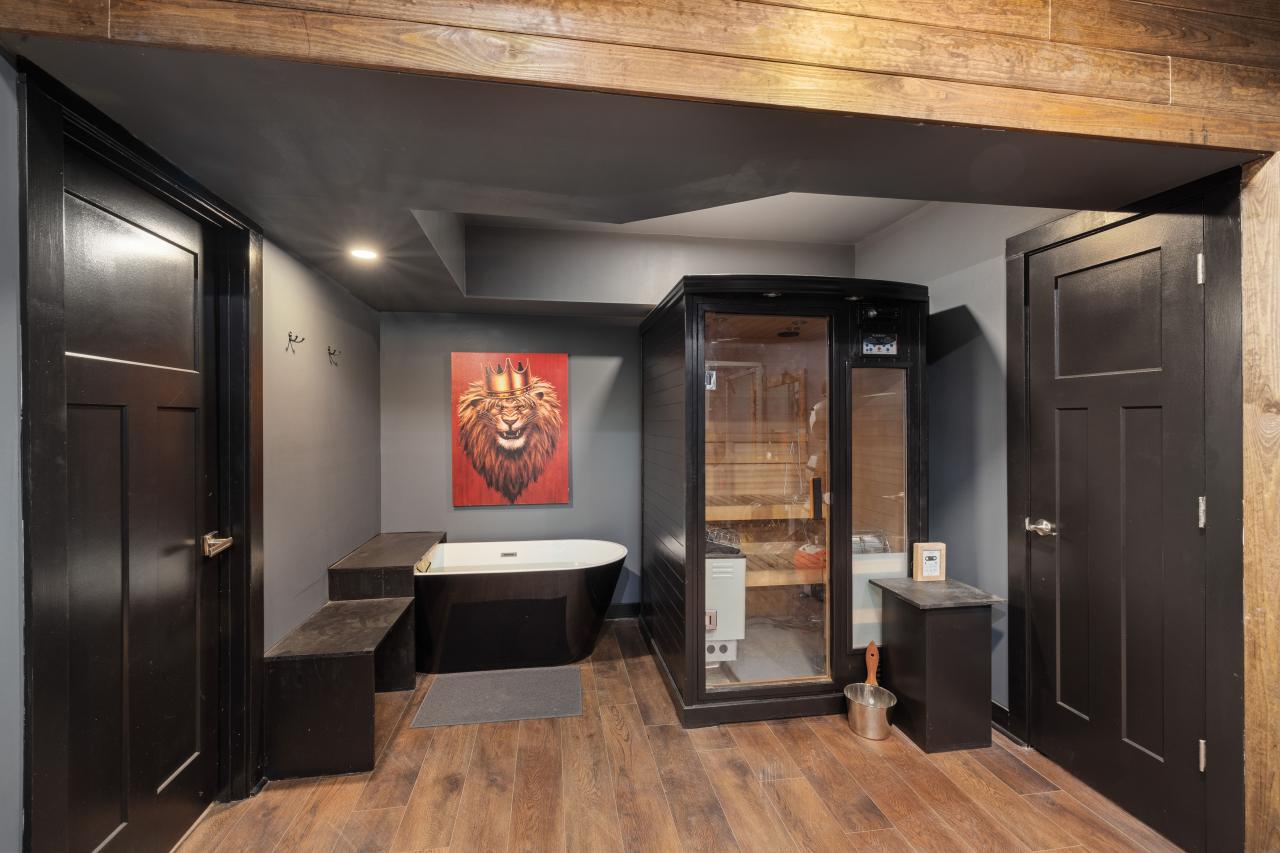
A. Sovereign Green Escrow Asset Clearances
Acquiring an unlisted low-impact luxury site requires complex international treasury transfers and strict liquid capital verifications processed through elite private banking institutions. These high-value transactional deployments place the investing syndicate into an exclusive regulatory pathway, granting immediate priority acquisition rights to pristine conservation zones before they reach public real estate markets.
B. Multi Jurisdictional Environmental Indemnity Protocols
The entire customer onboarding, legal registration, and property environmental evaluation phase operates under strict confidentiality frameworks to protect the proprietary transactional strategies of the private equity fund. All structural blueprints, carbon-accounting metrics, and customized municipal compliance timelines are heavily encrypted using defense-grade data protection channels to eliminate speculative market competition.
C. Fractional Eco Asset Portfolio Syndications
Sophisticated corporate entities and institutional family offices frequently utilize long-term fractional leasing programs and property syndicates to distribute the risk profile of carbon-neutral conversions across multiple global destinations. This flexible capital model provides asset-light diversification, allowing rapid entry into high-barrier geographic markets without the regulatory friction associated with direct sole-proprietorship property title management.
D. Integrated Private Aviation Sustainable Fuel Alignment
Arrival and departure workflows at remote low-carbon properties are perfectly synchronized with private aviation charters utilizing sustainable aviation fuel, suburban helipad routes, and electric chauffeured ground transportation networks. On-site property directors coordinate directly with regional aviation authorities and local transit management systems to facilitate immediate tarmac-to-estate vehicle transfers, completely bypassing public transit infrastructure.
E. Private Close Protection Security Grid Deployment
Premium eco-hotel rental frameworks feature comprehensive options for counter-surveillance and close-protection details managed by elite international security firms. These specialized operational units deploy advanced thermal imaging grids, automated drone detection nets, and biometric perimeter access points to safeguard the property’s complex layout boundaries without creating a heavy visual footprint.
B. Architectural Decarbonization And Spatial Design
A. Biophilic Engineered Mass Timber Structures
Modern low-carbon hospitality construction emphasizes low-impact architectural engineering that integrates flawlessly with advanced cross-laminated timber, structural bamboo, and local rammed-earth composites. Properties utilize carbon-neutral structural reinforcement techniques, localized underpinning, and eco-friendly structural elements to extend the building’s lifecycle while dramatically elevating its physical aesthetic beauty.
B. Warm Minimalism In Carbon Neutral Pavilions
The interior design philosophy centers on wide open common spaces, grand original vaulted layouts, and natural unpolished textures that project a sense of timeless power and ecological depth. Interior architects deliberately remove artificial partitioning to expose original natural stonework, native timber panels, and earth-molded surfaces, illuminating them with museum-grade gallery lighting systems.
C. Custom Engineered Architectural Millwork Installations
Every private guest suite features hand-crafted cabinetry, custom wood privacy screens, and built-in furniture elements carved by local master artisans using reclaimed regional wood that matches the property’s geographic narrative. These integrated woodwork installations conceal high-tech entertainment amenities, smart climate interfaces, and automated security panels within elegant, sustainable organic surfaces.
D. Independent Sustainable Energy Microgrid Overlays
Elite low-carbon hotels achieve deep operational self-sufficiency by hiding advanced solar thermal collector arrays, miniature hydrogen fuel cells, and industrial-grade lithium battery banks inside non-protected roof structures. Advanced atmospheric water generators and subterranean graywater processing facilities guarantee uninterrupted five-star luxury operations independent of decaying municipal utility infrastructure.
E. Subterranean Spatial Separation Service Blueprints
Master architectural conversion blueprints isolate primary guest relaxation zones from technical back-of-house operational sectors using hidden underground service tunnels and original natural terrain contours. This rigorous layout engineering ensures that guests never encounter facility maintenance crews, bulk kitchen supply deliveries, or linen transport operations.
C. Advanced Autonomous Operational Platforms
A. Agentic AI Concierge Property Management Software
Property operational efficiency relies on autonomous software frameworks that monitor and analyze guest preferences across an international network of low-carbon luxury estates. The platform pre-arranges bespoke culinary choices, exact ambient room temperatures, and localized transit routing prior to the guest’s physical arrival at the sustainable property.
B. Predictive Personalization Guest Experience Infrastructure
Data-driven operations platforms eliminate the friction of traditional resort check-in processes or repetitive onboarding questionnaires. Everything from the precise vintage of the local biodynamic wine cellar inventory to the exact chemical composition of the solar-heated spa water is customized automatically based on historic user profile data.
C. Tech Enabled Elite Hospitality Synchronization Channels
On-site estate directors utilize secure, internal communication platforms to synchronize guest demands with off-property luxury service providers and private tour operators. Real-time satellite tracking ensures that private marine vessels, elite chauffeured electric fleets, and helicopter transports align perfectly with the member’s daily calendar.
D. Automated Green Facility Operations Technology
Back-of-house building systems employ real-time sensor networks to track structural shifts, real-time energy expenditures, and perimeter security vulnerabilities continuously. This systemic automation minimizes the visible human staff presence on the estate grounds while maintaining flawless, high-efficiency execution.
E. Encrypted Resident Engagement App Software
Tenants interface with their dedicated estate butler through proprietary, biometrically authenticated mobile applications that support instant scheduling updates and secure service requests. The software architecture ensures that all personal preferences, medical profiles, and premium financial transactions remain completely private.
D. Advanced Longevity And Private Wellness Modules
A. Clinical Longevity Earth Built Treatment Suites
Premium low-carbon hotels dedicate significant spatial footprints to state-of-the-art medical recovery suites integrated into original stone foundations and rammed-earth structures. Guests undergo non-invasive cellular diagnostics, genetic profiling, and metabolic efficiency testing overseen by certified international medical practitioners.
B. Multi Day Biohacking Restoration Itineraries
Intensive therapeutic regimens are carefully tailored to alleviate executive burnout, neurological exhaustion, and chronic physiological stress within sustainable sanctuaries. Itineraries blend advanced hyperbaric oxygen chambers, whole-body cryotherapy pods, and intravenous nutrient infusion therapies delivered in secluded organic pavilions.
C. Neurofeedback Integrated Sustainable Rest Matrices
Master bedrooms incorporate real-time electroencephalogram sensors, dynamic acoustic dampening materials, and automated climate matrices to maximize deep sleep cycles. This scientific approach to circadian rhythm alignment enables rapid adaptation to shifting global time zones for international business travelers.
D. Executive Holistic Restoration Capital Strategy
The premium financial capital required to secure these integrated wellness experiences includes continuous virtual health monitoring and post-stay nutritional consulting. This high transactional value reflects the seamless merging of cutting-edge clinical science with a low-impact residential vacation environment.
E. Private Cultural Wilderness Preservation Programs
Estates partner with prominent environmental conservation groups to offer private ecological research access, native reforestation activities, and guided wildlife tracking exploration. These unique, educational outdoor adventures are designed to foster psychological decompression and a deeper connection to human heritage.
E. Alternative Real Estate Asset Performance Dynamics
A. Premium Appreciating Green Building Equity Models
Exclusive low-carbon hotel booking access is frequently structured as a tradeable, asset-backed financial instrument with limited global availability. Members can realize substantial capital appreciation by trading or liquidating their reserved seasonal weeks within private high-net-worth real estate exchanges.
B. Diversified International Sustainable Market Stability
By placing capital into high-value carbon-neutral syndicates, wealth preservation entities hedge against domestic economic downturns and traditional residential market instability. The underlying physical real estate maintains exceptional intrinsic value due to the absolute scarcity of pristine, eco-certified lands in premium global destinations.
C. Corporate Tax Credit Allocation Frameworks
Particular low-carbon hotel development frameworks yield distinct corporate financial benefits, including carbon credits, municipal property tax abatements, and accelerated capital depreciation. Legal holding structures are managed through highly compliant, business-friendly international real estate jurisdictions.
D. High Yield Full Estate Buyout Transactions
The extreme shortage of highly secure, architecturally authentic low-carbon hotels drives a lucrative corporate booking market for private equity summits and family office gatherings. These high-value transactional buyouts utilize the complete property infrastructure, generating massive ancillary food and beverage profits.
E. Institutional Private Credit Collateral Systems
Sophisticated asset holders can pledge their long-term luxury hotel club memberships as high-grade collateral to secure institutional private credit lines. This financial maneuver converts a luxury lifestyle asset into an active, productive component of a comprehensive wealth management strategy.
Conclusion
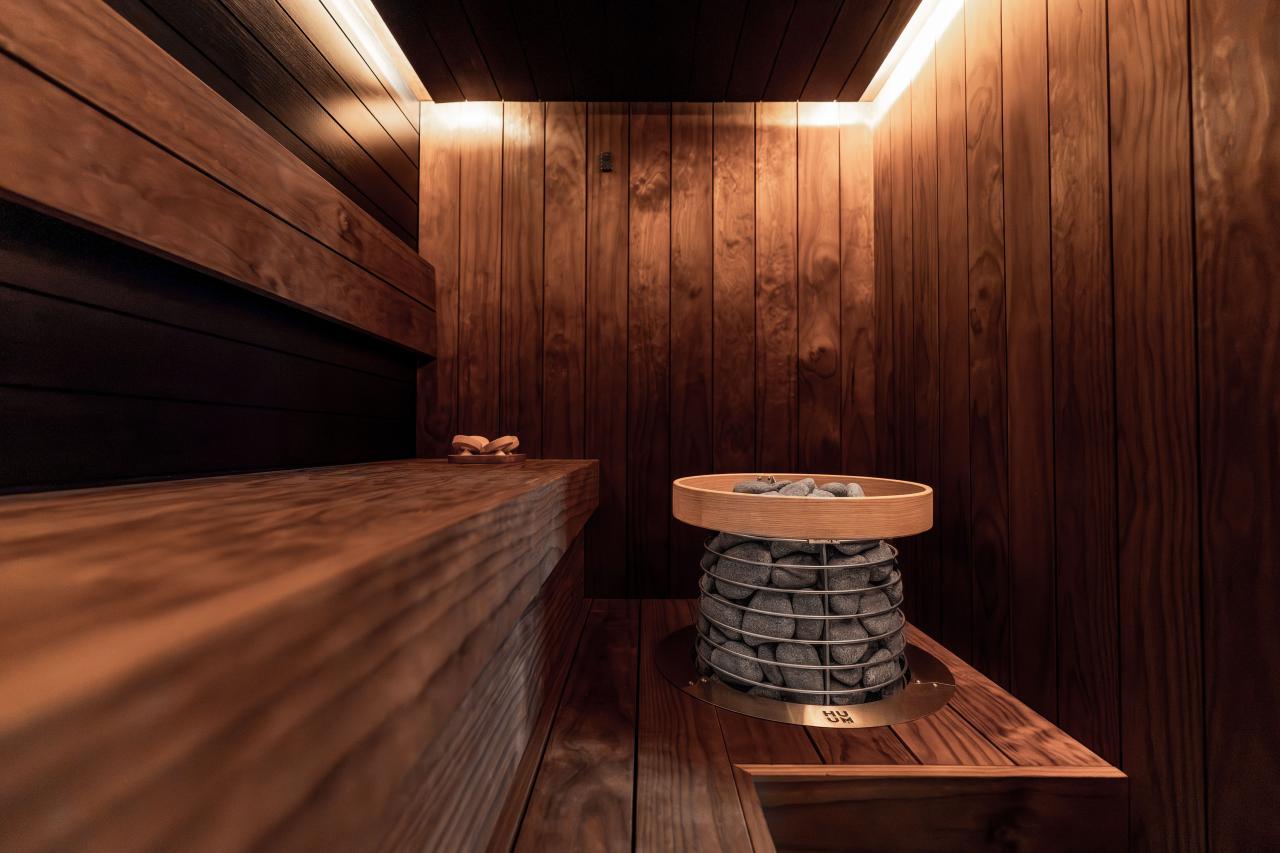
The paradigm of institutional property investment has permanently shifted toward low carbon luxury resort masterplans. Conventional carbon-heavy hotel builds are rapidly depreciating as global capital aggressively prioritizes verified environmental performance metrics.
Affluent travelers increasingly view ecological architectural authenticity as an essential component of personal wellness and prestige. Utilizing specialized timber engineering techniques and modular interior structural components accelerates sustainable project completion timelines significantly.
Autonomous utility microgrids safeguard eco-hotel operations from municipal infrastructure failure and localized power grid volatility. Integrating clinical longevity suites within biophilic building layouts constitutes the fastest-growing revenue stream for boutique hospitality portfolios.
Carbon-certified commercial properties unlock exclusive access to specialized sustainable tax equity structures and flexible private credit. Successfully navigating these complex transactional developments requires absolute alignment between master eco-architects, structural sustainability engineers, and elite private capital managers.

