

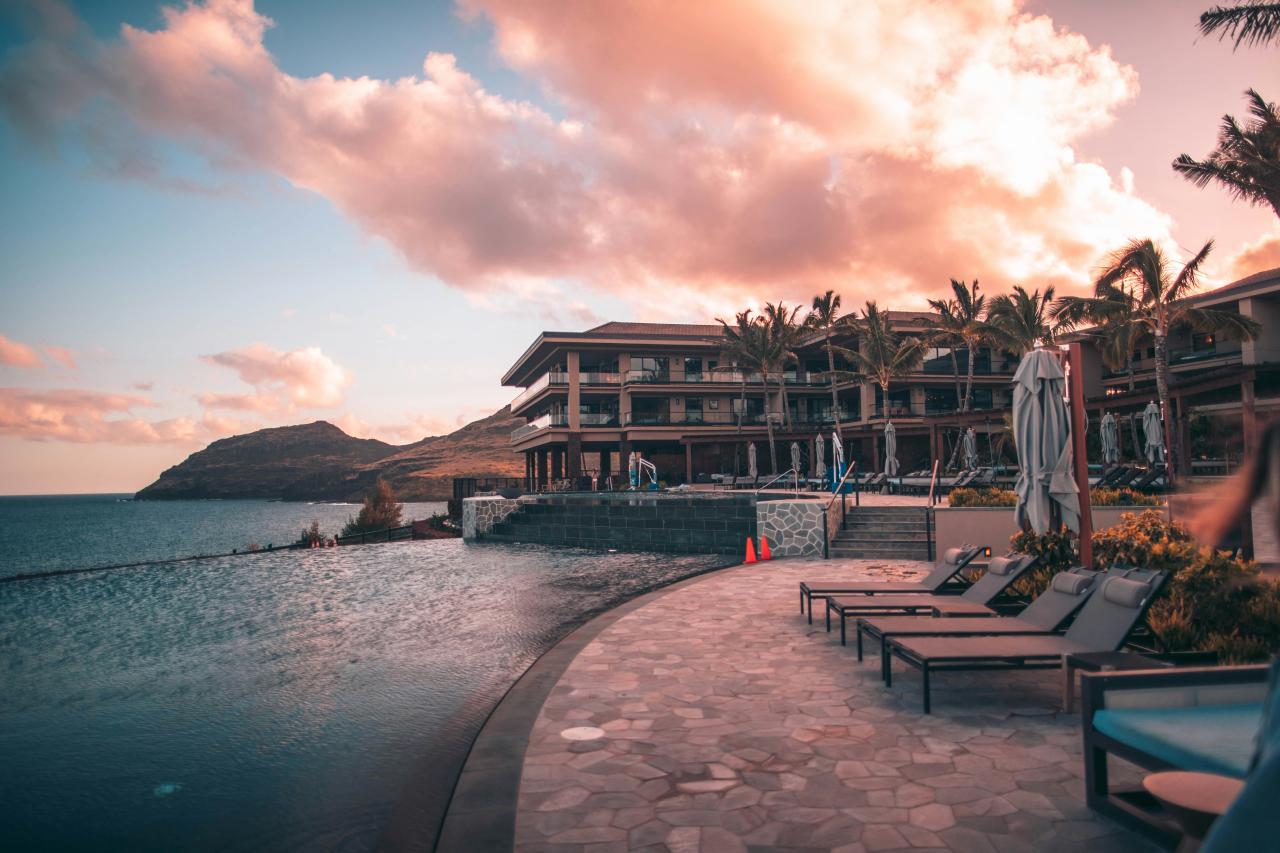
The landscape of international resort engineering and high-value leisure property development is experiencing a permanent structural transformation as discerning global investors reject conventional concrete structures in favor of zero-carbon, regenerative destinations. Securing a premium market footprint in this highly lucrative sector requires a sophisticated comprehension of how structural form, native landscape integration, and independent resource infrastructures intersect to create irreplaceable real estate assets.
Modern affluent consumers demand complete spatial isolation alongside deep environmental accountability, causing elite hospitality groups to view carbon-neutral construction not as an optional marketing mechanism but as a baseline requirement for premium capital preservation. International property syndicates, multi-family offices, and sovereign wealth funds are aggressively directing capital toward masterplans that feature advanced passive thermal regulation, circular water recycling systems, and local artisanal material supply chains.
These eco-sensitive sanctuaries do not merely reduce long-term operational expenditures; they function as premier architectural assets that command substantial pricing premiums and attract top-tier global travel demographic segments. The complex transactional frameworks governing the development of these progressive properties require precise ecological certifications, strict compliance with global environmental standards, and integration with advanced digital facility workflows.
By combining biophilic architectural engineering, localized microgrid solutions, and clinical-grade indoor air purification, modern sustainable luxury resorts establish a new benchmark for high-yielding experiential real estate. Navigating this opaque and highly technical architectural market demands a precise understanding of sustainable material procurement, advanced structural spatial engineering, and high-value wellness design modalities.
A. Carbon Neutral Building Envelopes
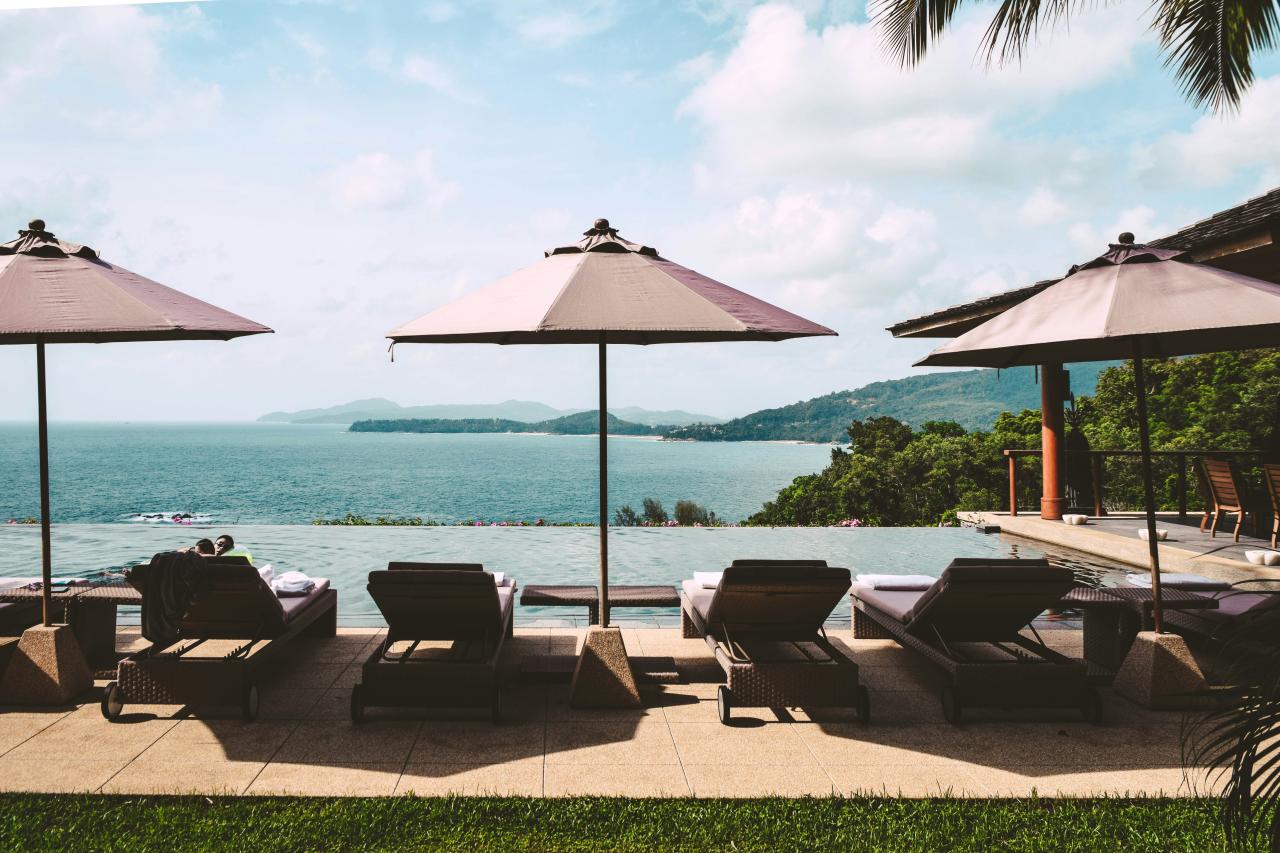
A. Sovereign Timber Frame Structural Engineering
Modern eco-resorts utilize premium engineered mass timber, structural bamboo, and sustainably harvested hardwoods to replace traditional energy-intensive steel and concrete frameworks. These renewable structural elements act as carbon sinks throughout the building lifespan while providing deep structural resilience and timeless natural beauty.
B. Passive Microclimate Thermal Regulation Systems
Architects utilize precise building orientation, deep roof overhangs, and automated cross-ventilation corridors to eliminate reliance on heavy mechanical cooling systems. By leveraging local wind patterns and diurnal temperature fluctuations, the indoor living spaces maintain flawless comfort criteria naturally.
C. High Performance Low Emission Glazing Technologies
Exterior curtain walls incorporate multi-layered, vacuum-insulated glass units equipped with advanced ultraviolet-blocking coatings to minimize internal solar heat gains. This technical infrastructure drastically lowers localized HVAC system loads while flooding interior spaces with panoramic natural day-lighting.
D. Modular Off Site Prefabricated Assembly
Constructing complex resort pavilions within controlled factory environments ensures near-zero material waste and tight geometric precision before shipping to fragile ecological sites. This rapid deployment methodology minimizes on-site heavy machinery usage, preserving native root systems and local topographies.
E. Living Green Roof Structural Integration
Extensive overhead rooftop vegetation blankets serve as structural insulation layers that reduce heat island effects across dense island or desert properties. These engineered soil matrices absorb heavy stormwater runoff, shield structural roof membranes from thermal shock, and create localized biodiversity sanctuaries.
B. Biophilic Interiors and Local Materiality
A. Warm Minimalism In Luxury Resort Pavilions
Interior layouts emphasize soaring ceilings, sweeping open layouts, and natural unpolished textures that cultivate a profound sense of tranquil isolation. Designers consciously eliminate superficial ornamental details, allowing raw stone feature walls and native structural timber elements to dictate the visual landscape.
B. Bespoke Hand Crafted Architectural Millwork
Every master guest suite features custom cabinetry, custom wood screens, and built-in furniture elements carved by local master artisans using reclaimed regional wood. These integrated woodwork installations conceal high-tech amenities, smart climate interfaces, and automated security panels within elegant organic surfaces.
C. Low Volatile Compound Eco Finishing Products
Wall treatments, natural sealants, and structural adhesives are selected from certified non-toxic organic bases to ensure pristine indoor air quality benchmarks. This strict chemical restriction prevents sick building syndrome, protecting guest respiratory health within sealed deep-forest or coastal environments.
D. Large Scale Recycled Stoneware Surfaces
Flooring applications and expansive bathroom vanities utilize high-durability, premium sintered stone composed entirely of recycled natural minerals and glass fibers. These innovative porcelain materials mimic the tactile qualities of rare marble while delivering impervious water resistance and low lifecycle footprints.
E. Subterranean Spatial Separation Blueprints
Master architectural plans isolate primary guest thoroughfares from technical operational sectors using hidden underground service tunnels and dense foliage screens. This meticulous layout layout design prevents maintenance noise, laundry transport, and back-of-house operations from disrupting guest sanctuary boundaries.
C. Closed Loop Utility Infrastructures
A. Independent Solar Photovoltaic Microgrid Installations
Elite remote resorts achieve complete energy sovereignty through industrial rooftop solar arrays, solar thermodynamic water heating, and massive localized battery storage. This technical self-sufficiency ensures uninterrupted five-star operations during severe weather events without relying on fragile municipal utility grids.
B. Greywater Purification Landscape Irrigation Networks
All wastewater generated from guest showers and laundry facilities undergoes multi-stage biological filtration through engineered subterranean reed beds. The resulting nutrient-rich recycled water feeds advanced automated drip-irrigation networks that sustain the resort’s organic food gardens and native landscaping.
C. Multi Stage Atmospheric Water Generator Clusters
To eliminate imported plastic bottling waste, properties pull pure drinking water directly from ambient humidity using high-capacity atmospheric extraction plants. This premium water is mineralized on-site, chilled, and delivered to private guest villas in custom-branded, reusable glass carafes.
D. Automated Building Management System Platforms
Intelligent facility software coordinates lighting, climate, and mechanical ventilation in real time based on actual guest room occupancy data. When a villa is vacant, the system transitions to deep economy modes, preventing unnecessary resource consumption while maintaining strict preservation criteria.
E. Zero Waste Circular Composting Operations
Organic culinary waste and landscaping debris are processed inside automated high-speed bio-digesters to produce high-grade organic fertilizer within twenty-four hours. This closed-loop organic system completely eliminates regional landfill reliance while enriching the resort’s localized topsoil profiles.
D. Regenerative Landscape and Wellness Integration
A. Clinical Longevity Wellness Pavilion Infrastructures
Sustainable luxury resorts dedicate significant spatial footprints to state-of-the-art medical recovery suites integrated into natural outdoor environments. Guests undergo advanced cellular screening, non-invasive metabolic analysis, and customized oxygen therapies supervised by visiting international healthcare specialists.
B. Circadian Rhythm Balancing Interior Illumination
Guest bedrooms employ intelligent LED arrays that automatically modulate color temperatures and lumen outputs to mirror the local natural sun cycle. This advanced biological lighting design helps global executives adjust to rapid time zone transitions, improving deep sleep architecture.
C. Natural Acoustic Dampening Spatial Engineering
Structural walls incorporate specialized multi-layered acoustic insulation blankets made from recycled cotton fibers and high-density natural cork. This acoustic barrier shields the internal guest sanctuary from external tropical downpours, wind shear, and property operational activities.
D. Native Landscape Habitat Preservation Masterplans
Real estate development boundaries are strictly mapped to avoid disturbing ancient tree canopies, natural wetland corridors, or critical wildlife migratory paths. By working around existing geological structures, the resort architecture forms an organic extension of the local living biosphere.
E. Private Micro Climate Wilderness Hydrotherapy Pools
Private guest plunge pools utilize chemical-free saltwater chlorination systems and thermodynamic solar pumps to maintain precise individual temperature choices. These natural aquatic installations provide therapeutic mineral baths without releasing toxic chlorine backwash into nearby pristine marine systems.
E. Sustainable Real Estate Asset Performance
A. Premium Appreciating Green Certification Valuations
Properties achieving prestigious international sustainability credentials command significantly higher asset valuations within institutional private equity secondary markets. Global investment funds aggressively prioritize these certified real estate holdings to satisfy strict corporate environmental mandates.
B. Diversified Off Grid Property Market Resilience
By investing in self-sustaining utility infrastructures, hospitality operators protect their businesses from rising municipal energy taxes and urban water shortages. This operational isolation ensures high margin stability and continuous luxury service delivery during broader economic crises.
C. Structural Tax Incentive Optimization Architecture
Particular eco-resort building methodologies unlock substantial governmental capital subsidies, green bonds, and accelerated tax depreciation schedules in forward-thinking jurisdictions. These financial advantages drastically improve initial internal rates of return for early-stage development syndicates.
D. High Yield Full Estate Buyout Transactions
The extreme scarcity of highly secure, self-sustaining micro-resorts drives a lucrative corporate booking market for private equity summits and family office gatherings. These high-value transactional buyouts utilize the complete property infrastructure, generating massive ancillary food and beverage profits.
E. Institutional Private Credit Collateral Integration
Sophisticated asset managers leverage these low-risk, eco-certified physical properties to secure competitive long-term credit lines from global institutional lenders. This financial maneuver converts a sustainable hospitality development into an active tool for broader corporate portfolio expansion.
Conclusion
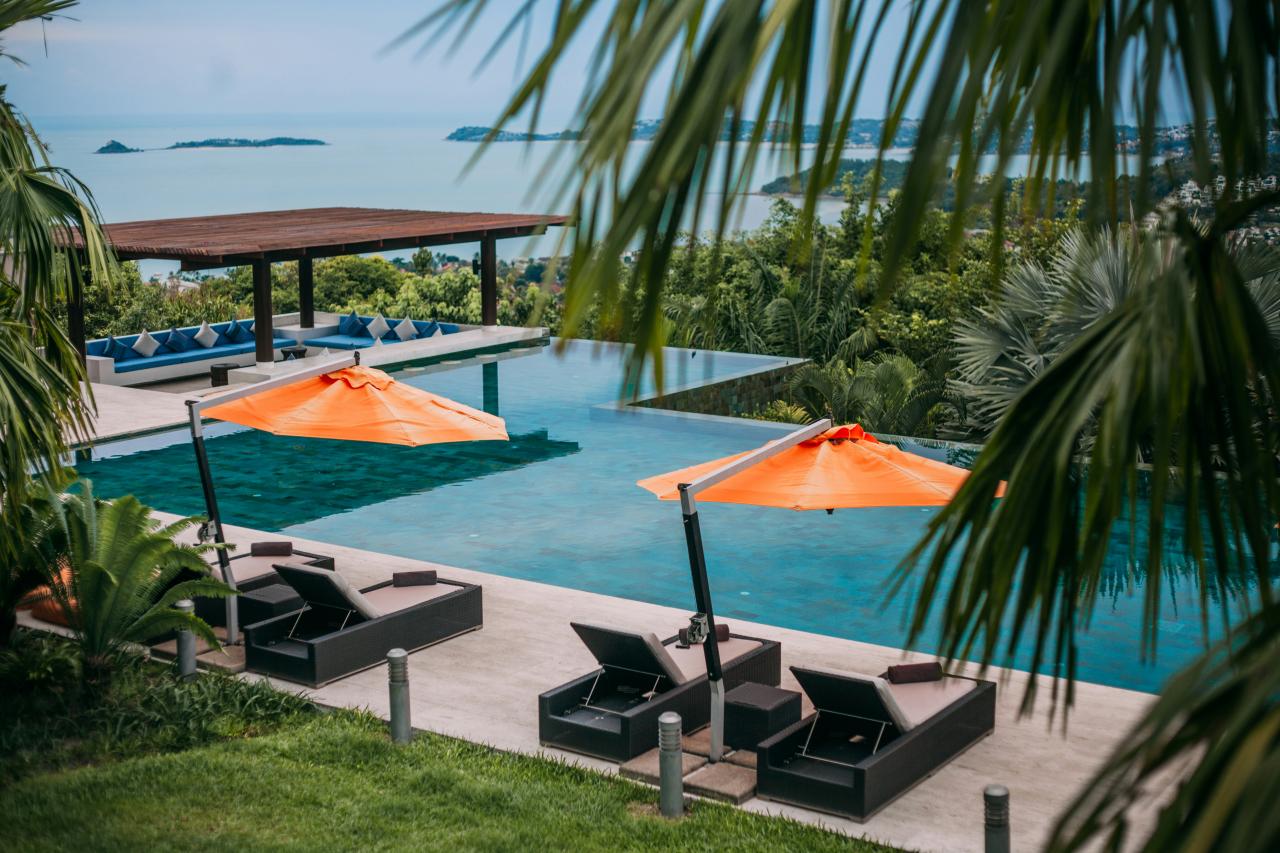
The paradigm of premium leisure real estate development has permanently shifted toward regenerative structural masterplans. Conventional mass-market luxury builds are rapidly depreciating as institutional capital prioritizes verified environmental performance metrics.
Affluent travelers increasingly view sustainable architecture as an essential component of personal wellness and security. Utilizing local materials and low-impact prefabricated assembly protects delicate ecosystems while accelerating project completion timelines.
Autonomous energy networks protect hospitality operations from municipal grid volatility and unexpected localized resource scarcity. Integrating clinical longevity suites within biophilic spaces represents the fastest-growing revenue generator for premium resort portfolios.
Eco-certified properties unlock unique access to specialized international green funds and flexible private credit lines. Successfully executing these complex transactional developments requires seamless alignment between master architects, sustainability engineers, and private wealth syndicates.

